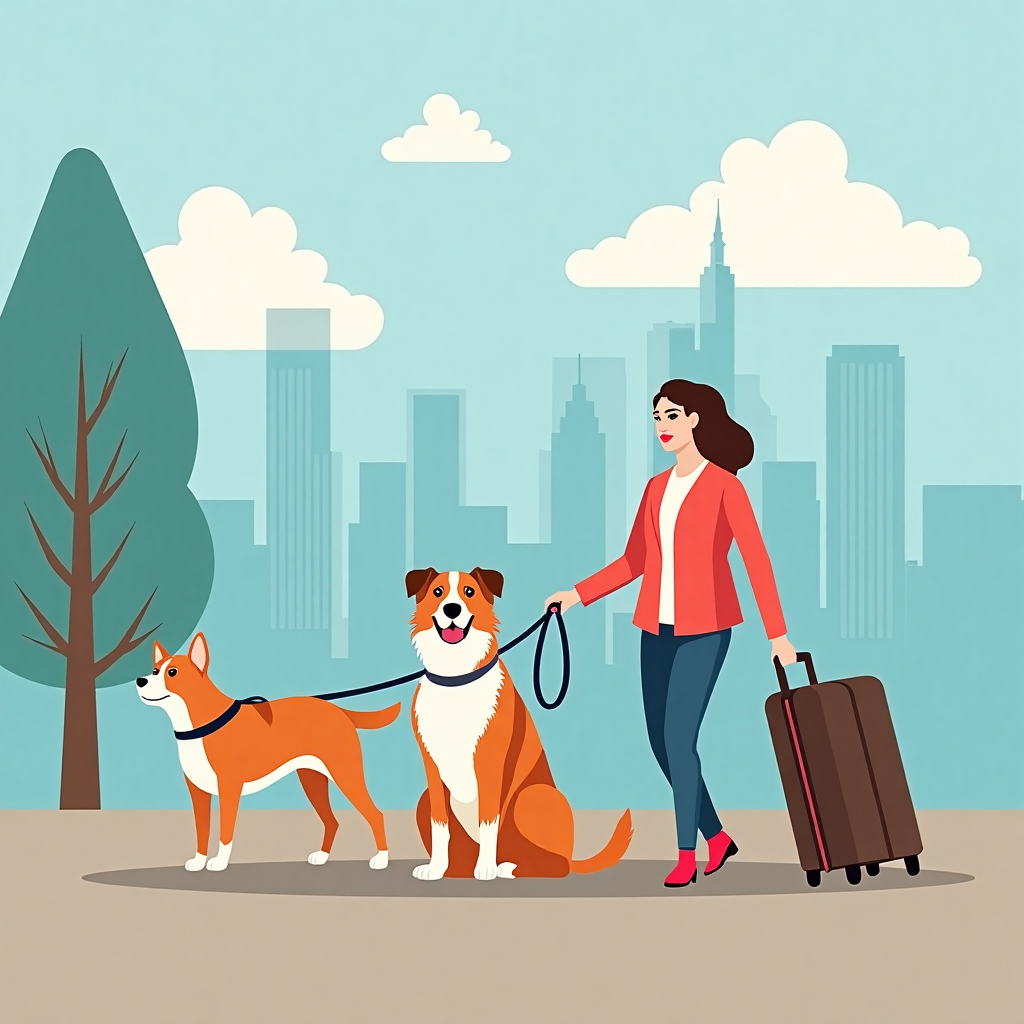
Traveling with a pet can transform an ordinary trip into a series of unforgettable shared adventures. Whether you are planning a weekend road trip, a cross-country flight, or an extended stay in a pet-friendly rental, bringing your dog, cat, or other animal companion along requires thoughtful planning. The key to a successful trip lies in understanding that travel with pets preparation and safety is not a single task but an ongoing process that begins long before you leave home. From veterinary visits and documentation to secure carriers and emergency planning, every detail matters. A well-prepared pet owner reduces stress for both the animal and themselves, prevents avoidable accidents, and creates a positive travel experience that strengthens the human-animal bond.
Many pet owners assume that pets will naturally adapt to new environments, but the reality is that travel can be overwhelming for animals. Unfamiliar sounds, smells, movements, and routines can trigger anxiety, motion sickness, or even escape attempts. That is why preparation must address both physical safety and emotional well-being. By taking a proactive approach, you can avoid common pitfalls such as dehydration, overheating, lost pets, and denied boarding. This comprehensive guide covers everything you need to know about preparing your pet for travel, keeping them safe during transit, and handling emergencies with confidence.
Whether you are a first-time pet traveler or a seasoned road warrior, the following sections will walk you through essential steps. You will learn how to plan ahead, pack the right gear, choose the safest travel methods, manage anxiety, find pet-friendly accommodations, and respond to unexpected situations. Remember that travel with pets preparation and safety is an investment in your pet’s health and happiness. When done correctly, it allows you to focus on making memories instead of managing crises.
Pre-Trip Planning: The Foundation of Safe Pet Travel
Before booking a single reservation or packing a single bag, you need to lay a solid foundation. Pre-trip planning is where many potential problems can be eliminated before they start. The first step is always to assess whether your pet is a good candidate for the type of travel you are considering. Senior pets, brachycephalic breeds such as bulldogs and Persian cats, pregnant animals, and those with chronic health conditions may face additional risks during travel. If you have any doubts, consult your veterinarian early in the planning process.
Schedule a Veterinary Checkup
A pre-travel veterinary visit is non-negotiable for most trips, especially if you are crossing state or international borders. Your veterinarian can perform a thorough physical exam to ensure your pet is healthy enough for travel. This is also the time to update vaccinations, refill necessary medications, and discuss parasite prevention appropriate for your destination. Some regions have specific disease risks, such as heartworm, Lyme disease, or leptospirosis, that may require additional protection. Your vet can also provide advice on managing motion sickness, anxiety, or travel-related digestive issues.
Ask your veterinarian for a copy of your pet’s medical records, including vaccination history and a list of current medications. If you are flying, many airlines require a health certificate issued within a specific timeframe, often 10 days before travel. International travel may involve additional blood tests, microchip requirements, and waiting periods. Start this process at least several weeks or even months in advance to avoid last-minute surprises.
Research Pet Policies and Destination Requirements
Every airline, hotel, campground, and rental property has its own pet policy. Some welcome pets with open arms, while others impose strict breed, size, or weight restrictions. Never assume that a place labeled “pet-friendly” will accept your specific animal. Call ahead and ask detailed questions about fees, rules, and available amenities. For air travel, review the airline’s pet carrier dimensions, cabin versus cargo policies, and health documentation requirements. For international trips, research the destination country’s import regulations, quarantine rules, and banned breeds.
- Airlines: Confirm in-cabin pet allowances, carrier size limits, fees, and health certificate deadlines.
- Hotels: Ask about pet fees, weight limits, designated pet areas, and whether pets can be left unattended in rooms.
- Vacation rentals: Verify fencing, nearby hazards, pet deposits, and any restrictions on furniture access.
- Border crossings: Check requirements for rabies vaccination certificates, microchips, and import permits.
Essential Documents and Identification
Proper documentation is a cornerstone of travel with pets preparation and safety. Without the right paperwork, you may be turned away at an airport, border crossing, or hotel. Worse, if your pet gets lost, a lack of identification can delay or prevent a safe reunion. Prepare a travel folder that contains both physical and digital copies of all essential documents.
- Vaccination records: Especially proof of rabies vaccination, which is required for most travel.
- Health certificate: Issued by an accredited veterinarian, often required for air travel and crossing state or international lines.
- Microchip registration: Ensure your pet’s microchip is registered with your current contact information.
- Recent photos: Carry clear, current photos of your pet from multiple angles in case you need to create lost pet flyers.
- Emergency contacts: Include your regular veterinarian’s number, a 24-hour emergency clinic near your destination, and a trusted friend or family member.
- Pet insurance information: If you have pet insurance, keep your policy number and claims hotline accessible.
In addition to documents, make sure your pet wears a sturdy collar or harness with an ID tag that includes your mobile phone number. For added security, consider a secondary tag with your destination address or a temporary travel tag. Microchips are an excellent permanent backup, but they only work if the person who finds your pet scans for them. A visible ID tag remains the fastest way for a good Samaritan to contact you.
Packing a Pet Travel Kit
A well-stocked travel kit can make the difference between a smooth trip and a stressful scramble. Pack enough supplies to last the entire trip, plus a little extra in case of delays. Keep the kit easily accessible in your vehicle or carry-on bag so you can quickly grab food, water, medication, or cleanup supplies when needed.
- Food and treats: Bring enough of your pet’s regular food for the whole trip plus two extra days. Sudden diet changes can cause digestive upset.
- Collapsible bowls: Lightweight, easy-to-clean bowls for food and water.
- Bottled water: Water from unfamiliar sources may contain minerals or bacteria that upset your pet’s stomach.
- Medications: Pack all prescription and preventive medications in their original containers with clear labels.
- First aid kit: Include bandages, antiseptic wipes, tweezers, a digital thermometer, and any vet-approved wound care products.
- Leash, harness, and backup collar: Carry an extra leash in case one breaks or gets lost.
- Waste bags and litter supplies: For dogs, bring plenty of waste bags. For cats, include a portable litter box and enough litter.
- Comfort items: A favorite blanket, toy, or bed can reduce anxiety by providing a familiar scent.
- Cleaning supplies: Paper towels, pet-safe disinfectant, and odor-neutralizing spray for accidents.
- Carrier or crate: A sturdy, well-ventilated carrier that meets airline or vehicle safety standards.
Safety Strategies for Every Mode of Transportation
How you travel with your pet greatly influences the safety measures you need to take. Each mode of transportation presents its own set of risks and requirements. Understanding these differences is essential for protecting your pet from injury, stress, and escape.
Traveling by Car
Car travel is the most common way to travel with pets, and it offers the most control over stops and comfort. However, it also carries significant risks if proper restraints are not used. An unrestrained pet can become a dangerous projectile in a sudden stop or accident. They can also distract the driver, climb onto your lap, or accidentally open a window or door. The safest approach is to secure your pet in a crash-tested carrier or a well-fitted pet harness attached to a seat belt.
- Never allow your pet to ride in the front passenger seat if an airbag is active; the force of a deploying airbag can be fatal.
- Keep heads and paws inside the vehicle at all times. Debris and insects can cause serious eye and ear injuries.
- Never leave your pet alone in a parked car, even with the windows cracked. Temperatures can rise to dangerous levels within minutes.
- Plan stops every two to three hours for bathroom breaks, water, and short walks.
- For cats and small animals, keep them in a secure carrier placed on the floor behind a seat or strapped in with a seat belt.
Air Travel with Pets
Air travel is often the most stressful and risky option for pets. Whenever possible, choose a direct flight to minimize time in transit and reduce the chance of mishandling. Small pets that meet airline size requirements may be allowed to travel in the cabin under the seat in front of you. Larger pets are typically required to travel in the cargo hold, which can expose them to temperature extremes, loud noises, and rough handling. Brachycephalic breeds such as pugs, French bulldogs, and Persian cats are at higher risk for breathing problems and heatstroke during air travel. Many airlines have banned these breeds from cargo travel altogether.
- Book early and confirm your pet’s reservation directly with the airline.
- Use an airline-approved carrier with sturdy construction, secure latches, and adequate ventilation.
- Label the carrier with “LIVE ANIMAL,” your contact information, and a photo of your pet.
- Place absorbent bedding and a familiar-smelling item inside the carrier.
- Avoid tranquilizing your pet before a flight unless specifically directed by your veterinarian, as sedatives can impair breathing and temperature regulation at altitude.
- Do not feed your pet a large meal within four to six hours before flying to reduce motion sickness.
Train, Bus, and Other Public Transport
Policies for trains, buses, and other public transportation vary widely. Many systems only allow small pets in carriers, while some prohibit pets entirely except for service animals. Amtrak, for example, allows small dogs and cats on certain routes for a fee, but length and weight restrictions apply. Long-distance buses such as Greyhound do not allow pets except service animals. Always verify current policies before purchasing tickets. If your pet is allowed, keep them in a secure carrier that fits under the seat or in designated areas, and be mindful of other passengers who may have allergies or fear of animals.
Keeping Your Pet Comfortable and Calm
Even the most carefully planned trip can be derailed by a stressed or anxious pet. Anxiety can cause excessive vocalization, destructive behavior, vomiting, diarrhea, and even escape attempts. Helping your pet feel safe and calm should be a priority throughout your journey.
Familiarization and Training
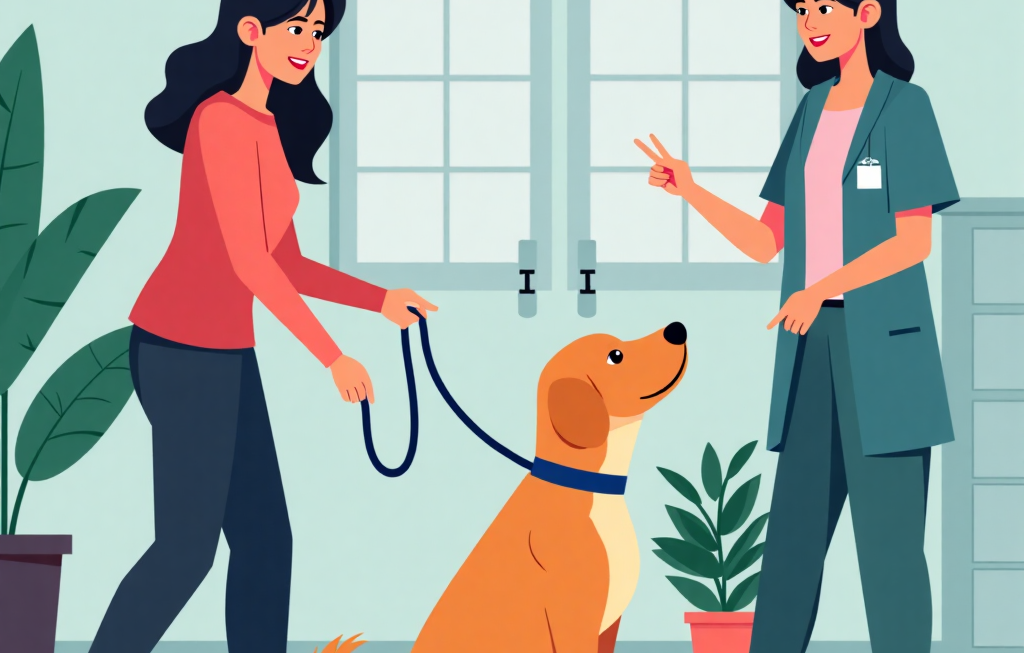
Prepare your pet for travel long before departure day. If your pet is not used to riding in a car, take short practice trips around the neighborhood. Gradually increase the duration and distance. For cats and small animals, leave the carrier out in your home with the door open and a comfortable bed inside so they associate it with positive experiences. Feed your pet treats or meals inside the carrier to build a positive association. Practice entering and exiting the carrier calmly. For dogs, practice commands such as “sit,” “stay,” and “settle” to help manage behavior at rest stops and accommodations.
Managing Anxiety Naturally and Medically
For mild anxiety, natural calming aids such as pheromone sprays, calming collars, and pressure wraps may help. Products containing synthetic pheromones can reduce stress in dogs and cats during travel. Calming music designed for pets or a white noise machine in a hotel room can also help mask unfamiliar sounds. For more severe anxiety, consult your veterinarian about prescription anti-anxiety medications or motion sickness medications. Never give your pet human medications, as many are toxic to animals. Test any new supplement or medication at home before your trip to monitor for adverse reactions.
Food, Water, and Exercise on the Road
Maintaining your pet’s regular feeding and exercise routine as much as possible is important for digestive health and emotional stability. Travel disrupts schedules, but you can minimize the impact with careful planning.
Maintaining Hydration and Nutrition
Offer fresh water frequently, especially in warm weather or during long travel days. Dehydration can quickly become dangerous, particularly for young, senior, or brachycephalic pets. Keep water bowls accessible during stops and encourage your pet to drink. If your pet is reluctant to drink unfamiliar water, bring water from home or use bottled water. Feed your pet at their usual times, but avoid feeding a large meal immediately before a long car or plane ride to reduce motion sickness. For dogs, consider dividing their daily food into smaller portions if the trip is long. For cats, offer small meals at regular intervals and ensure they have a quiet space to eat.
Bathroom Breaks and Exercise
Regular bathroom breaks are essential for dogs, and even cats need access to a litter box during long trips. Plan your route to include pet-friendly rest stops or parks. Always keep your dog on a leash during stops, even in fenced areas, because unfamiliar surroundings can trigger unexpected bolting. Carry waste bags and dispose of them properly. Allow your dog time to sniff and stretch, which provides mental stimulation and reduces pent-up energy. For cats, offer the portable litter box inside the vehicle during long drives or inside a secure hotel room. If your cat is in a carrier, do not let them loose in a moving vehicle, as this creates a serious safety hazard.
Finding Safe Pet-Friendly Accommodations
Not all pet-friendly accommodations are equally safe or comfortable. When booking a hotel, motel, or rental, look beyond the “pets allowed” label. Ask about specific policies and inspect the space for potential hazards upon arrival. Ground-floor rooms near exterior doors can make bathroom breaks easier and reduce the need to navigate busy lobbies or elevators.
- Check for gaps in fences if you are staying at a rental with a yard.
- Look for exposed electrical cords, toxic plants, and small objects that could be swallowed.
- Ensure windows and doors close securely and that screens are intact.
- Bring a doorstop or baby gate if you need to confine your pet to one room.
- Never leave your pet unattended in an unfamiliar hotel room unless you are certain they are calm and secure. Use a crate if necessary.
When leaving your pet alone in a room, place the “Do Not Disturb” sign on the door and inform the front desk that a pet is inside. This prevents housekeeping from accidentally opening the door and allowing your pet to escape. Provide a safe space such as a covered crate with familiar bedding and a toy. Some pets do better when the television or a white noise machine is left on to block hallway sounds.
Outdoor Adventures and Environmental Safety
Exploring the outdoors with your pet can be one of the most rewarding parts of travel, but it also presents unique risks. From temperature extremes to parasites and wildlife encounters, you must remain vigilant to keep your pet safe.
Weather and Temperature Hazards
Heatstroke is one of the most common and preventable travel-related emergencies in pets. Dogs and cats cannot regulate body temperature as efficiently as humans, and they can overheat quickly in hot, humid weather. Never leave your pet in a parked car, even for a few minutes. On hot days, walk pets during the cooler morning or evening hours, and protect paw pads from hot pavement. Signs of heatstroke include heavy panting, drooling, lethargy, vomiting, and collapse. If you suspect heatstroke, move your pet to a cool area, offer small amounts of water, and seek veterinary care immediately.
Cold weather poses its own risks, especially for short-haired breeds, small animals, and senior pets. Frostbite and hypothermia can develop quickly. Use pet-safe clothing and booties if necessary, and limit exposure to freezing temperatures. After walks in winter, wipe your pet’s paws to remove ice, salt, and chemical de-icers, which can be toxic if licked.
Parasites and Wildlife
Traveling to new regions may expose your pet to different parasites and wildlife. Fleas, ticks, and mosquitoes can transmit diseases such as Lyme disease, ehrlichiosis, and heartworm. Ensure your pet is on year-round parasite prevention and check for ticks daily after outdoor activities. Research the wildlife native to your destination. In some areas, encounters with snakes, coyotes, bears, or even aggressive dogs can pose serious threats. Keep your pet on a leash unless you are in a designated off-leash area that you know to be safe. Avoid letting your pet investigate burrows, dead animals, or unfamiliar water sources, as these can harbor bacteria, parasites, or dangerous wildlife.
Emergency Preparedness and First Aid
No matter how well you prepare, emergencies can still happen. Having a plan and a basic knowledge of pet first aid can save your pet’s life. Before you travel, locate the nearest 24-hour veterinary emergency hospital at your destination and along your route. Save the address and phone number in your phone and write it down in case your phone loses battery or signal.
- Know how to perform basic first aid for cuts, burns, choking, and poisoning.
- Keep a pet first aid kit in your vehicle and carry-on bag.
- Learn how to take your pet’s vital signs, including heart rate, respiratory rate, and temperature.
- Have a muzzle or makeshift muzzle on hand, because even the sweetest pet may bite when in pain.
- If your pet ingests something toxic, call a pet poison control hotline immediately rather than waiting for symptoms to appear.
For lost pets, act quickly. Notify local animal control, shelters, and veterinary clinics in the area. Post clear photos and descriptions on local lost pet social media groups and neighborhood apps. A pet with visible ID and a registered microchip has a much higher chance of being reunited with you. If your pet escapes during travel, remain calm and search the immediate area, as pets often hide nearby rather than running far.
Conclusion
Traveling with a pet is one of the most enriching experiences you can share, but it requires a deep commitment to preparation and safety. By planning ahead, visiting your veterinarian, packing the right supplies, securing your pet properly, and staying alert to environmental and health risks, you can create a trip that is both enjoyable and safe. The effort you invest in travel with pets preparation and safety pays off in the form of reduced stress, fewer emergencies, and a stronger bond with your animal companion.
Remember that every pet is an individual. What works for one dog or cat may not work for another. Pay attention to your pet’s signals, adjust your plans when necessary, and always prioritize their well-being over sticking to a rigid schedule. With patience, compassion, and the right preparation, you and your pet can explore the world together safely and happily.