Boredom in pets is far more than a minor inconvenience—it can lead to a wide range of behavioral and health problems, from destructive chewing and excessive barking to anxiety, depression, and even obesity. As a responsible pet owner, you have the power to transform your pet’s daily life through enrichment. Enrichment is the process of providing mental and physical stimulation that satisfies your pet’s natural instincts, encourages problem-solving, and keeps them engaged with their environment. Whether you share your home with a dog, cat, rabbit, bird, or other small animal, the right enrichment ideas can make all the difference. In this comprehensive guide, we will explore practical, creative, and budget-friendly pet enrichment ideas to avoid boredom and promote overall well-being.
The concept of enrichment is rooted in the understanding that animals are not meant to live passive lives. In the wild, they spend a significant portion of their day foraging, hunting, exploring, and interacting with their surroundings. Domesticated pets, however, often rely entirely on us for stimulation. Without adequate outlets for their energy and curiosity, they may invent their own forms of entertainment—which rarely align with our preferences. The good news is that enrichment does not have to be complicated or expensive. Many of the most effective activities use items you already have at home. The key is to tap into your pet’s natural behaviors and provide variety. This article will cover enrichment strategies for different species, DIY ideas, safety considerations, and how to build a sustainable enrichment routine.
Understanding the Importance of Pet Enrichment
Enrichment is not just about keeping your pet busy; it is a fundamental component of animal welfare. When animals are mentally and physically engaged, they experience lower stress levels, improved cognitive function, and a stronger bond with their human caregivers. Boredom, on the other hand, can trigger the release of stress hormones, leading to chronic anxiety and a weakened immune system. For dogs, a lack of stimulation often results in excessive chewing, digging, barking, or attempts to escape. For cats, boredom may manifest as overgrooming, inappropriate scratching, or litter box issues. Small pets like rabbits and guinea pigs may become lethargic or develop repetitive behaviors such as bar biting. Birds can resort to feather plucking—a serious sign of psychological distress.
There are five main categories of enrichment, and the best approach combines several of them throughout the week. Physical enrichment involves exercise and movement, such as walking, climbing, or playing fetch. Mental enrichment challenges the brain through puzzles, training, and problem-solving tasks. Sensory enrichment engages the animal’s senses of sight, sound, smell, taste, and touch. Social enrichment includes interaction with people, other pets, or even safe exposure to new environments. Finally, food-based enrichment turns mealtime into an engaging activity rather than a routine bowl of kibble. By rotating through these categories, you can prevent habituation and keep your pet curious and content.
Enrichment Ideas for Dogs
Dogs are intelligent, social animals that thrive on activity and purpose. A bored dog can quickly become a destructive dog, so it is essential to provide daily opportunities for both physical exercise and mental work. The following ideas are designed to engage your dog’s natural instincts to sniff, chase, chew, and solve problems.
Food Puzzles and Treat-Dispensing Toys
One of the easiest and most effective ways to enrich a dog’s life is to make them work for their food. Instead of placing kibble in a standard bowl, use a snuffle mat, a puzzle feeder, or a treat-dispensing ball. These toys require the dog to manipulate the object with their nose, paws, or mouth to release the food. This simulates natural foraging behavior and can extend mealtime from two minutes to twenty minutes or more. Start with simple puzzles and gradually increase the difficulty to keep your dog challenged without frustrating them. You can also freeze wet food or peanut butter inside a hollow rubber toy for a longer-lasting, soothing chewing activity.
Nose Work and Scent Games
A dog’s sense of smell is their primary way of understanding the world. Engaging that nose is one of the most tiring and satisfying forms of mental enrichment. Hide small treats or favorite toys around the house and encourage your dog to “find it.” Begin with easy hiding spots and gradually hide items in more challenging locations, such as under a blanket or behind a door. You can also play “which hand” games, where you hide a treat in one closed fist and let your dog choose. For a more structured activity, consider introducing your dog to formal nose work classes, which teach them to search for specific scents. Even ten minutes of scent work can be as tiring as a thirty-minute walk.
Interactive Play and Training
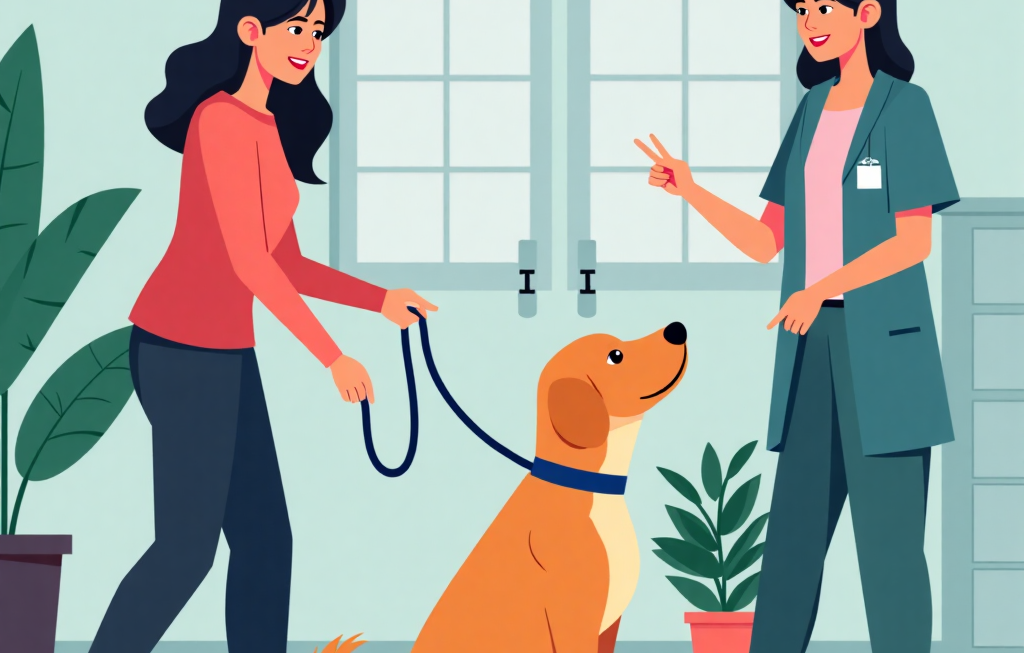
Training is one of the most powerful forms of mental enrichment for dogs. Short, positive-reinforcement sessions teach your dog new skills, build communication, and boost their confidence. Teach basic obedience commands, fun tricks like “roll over” or “spin,” or even helpful tasks such as putting toys away in a basket. Use high-value treats and keep sessions under ten minutes to maintain focus. In addition to training, interactive play such as tug-of-war, fetch, and flirt poles provides physical exercise and strengthens your bond. Rotate toys weekly so your dog does not become bored with the same old options.
Environmental Enrichment and Socialization
Dogs benefit greatly from variety in their environment. Change up your walking route, visit new parks, or allow your dog to explore safe natural areas on a long leash. Arrange playdates with other friendly dogs, or enroll in a doggy daycare program once or twice a week for social enrichment. At home, provide a digging box filled with sand or dirt where your dog is allowed to dig, redirecting a natural behavior away from your flower beds. Rotate different types of toys—chew toys, plush toys, fetch toys, and rope toys—so there is always something new to discover. Even rotating the location of your dog’s bed or adding a window perch can spark curiosity.
Enrichment Ideas for Cats
Cats may have a reputation for being independent, but they are highly intelligent hunters who need daily stimulation to stay happy. Indoor cats, in particular, are prone to boredom and the behavioral problems that follow. The following enrichment ideas tap into a cat’s natural instincts to stalk, pounce, climb, and explore.
Hunting and Puzzle Feeding
In the wild, cats spend hours stalking and capturing prey. Indoor cats often miss out on this natural sequence, leading to pent-up energy. Use food puzzles and treat balls designed for cats to encourage them to work for their meals. You can also hide small portions of food around the house for your cat to discover. Another excellent option is a puzzle board with sliding compartments and hidden wells. For an extra challenge, place dry food inside a cardboard egg carton or a muffin tin covered with lightweight balls. This forces your cat to use problem-solving skills and keeps them engaged during mealtime.
Vertical Space and Climbing Opportunities
Cats are natural climbers and feel safest when they can observe their surroundings from above. Providing vertical territory is one of the most impactful enrichment strategies for felines. Install cat trees, wall-mounted shelves, or window perches. A cat tree with multiple levels, scratching posts, and dangling toys offers both physical exercise and a sense of security. If space is limited, a simple window hammock can provide hours of entertainment as your cat watches birds, squirrels, and passing cars. Rotate the location of cat trees or add new shelves periodically to keep the environment interesting.
Interactive Toys and Play Sessions
Cats are naturally drawn to moving objects that mimic prey. Feather wands, laser pointers (used responsibly with a physical toy to catch at the end), and motorized mice are excellent tools for daily play sessions. Schedule two or three short play sessions each day, especially during dawn and dusk when cats are most active. Always end a laser pointer session by directing the dot onto a physical toy or treat so your cat experiences the satisfaction of a “catch.” Rotate toys regularly and keep some hidden away so they feel new each time they reappear. Even simple items like crumpled paper balls, cardboard boxes, and paper bags can provide immense joy.
Sensory Enrichment and Safe Outdoor Access
Cats rely heavily on scent and visual stimulation. Provide cat grass, catnip, or silver vine for sensory play. You can also create a “scent garden” by rubbing different safe herbs on toys or scratching posts. For visual enrichment, set up a bird feeder outside a window where your cat can watch safely. If you have a secure balcony or yard, consider building a catio—an enclosed outdoor space that allows your cat to experience fresh air and sunshine without the risks of free roaming. Even a sturdy window screen or a pet stroller can offer safe outdoor experiences. Introduce new scents gradually and always supervise outdoor time.
Enrichment for Small Pets: Rabbits, Guinea Pigs, Hamsters, and Ferrets
Small pets are often overlooked when it comes to enrichment, but they need just as much mental and physical stimulation as larger animals. Rabbits and guinea pigs, for example, are highly social and intelligent creatures that can become depressed or develop health issues when bored. Hamsters and ferrets are also active and curious, requiring opportunities to explore, dig, and chew. A well-enriched small pet habitat should include multiple levels, hiding spots, tunnels, and safe chew toys.
- Rabbits: Provide cardboard boxes with multiple entry holes, untreated willow or apple wood chews, and tunnels made from large PVC pipes or fabric. Scatter hay and pellets around the enclosure to encourage foraging. Offer a digging box filled with shredded paper or child-safe sand.
- Guinea pigs: Use fleece forests, hidey houses, and hay racks placed at different heights. Provide a variety of textures to walk on, such as fleece, grass mats, and cardboard. Guinea pigs enjoy food puzzles where they must push a lid or roll a ball to release vegetables.
- Hamsters: Hamsters need deep bedding for burrowing—at least six inches is ideal. Add tunnels, bendy bridges, and a solid-surface exercise wheel. Scatter food to promote natural foraging, and provide cardboard tubes and untreated wood blocks for chewing.
- Ferrets: Ferrets love to dig, tunnel, and investigate. Provide a dig box filled with rice or packing peanuts (avoid styrofoam), a ball pit, and hanging toys. Ferrets also benefit from short, supervised exploration time in a ferret-proofed room.
Enrichment for Birds
Birds are among the most intelligent pets, and without proper enrichment they can develop severe behavioral problems such as feather plucking, screaming, and aggression. A stimulating environment should include a variety of perches, foraging opportunities, and social interaction. Because birds are naturally curious and destructive, safe, destructible toys are essential.
Offer foraging toys that require your bird to solve a puzzle to access food. Hide treats inside crumpled paper, cardboard tubes, or commercial foraging boxes. Rotate a selection of shreddable toys made from soft wood, palm leaf, paper, and sisal rope. Provide a variety of perch textures and diameters to exercise their feet, including natural branches, rope perches, and cement perches. Birds also benefit from daily out-of-cage time in a bird-proofed room, supervised interaction with family members, and training sessions using positive reinforcement. Even simple activities like teaching a bird to wave or turn around can provide valuable mental enrichment and strengthen your bond.
DIY Enrichment Ideas on a Budget
You do not need to spend a fortune on commercial toys to keep your pet engaged. Many excellent enrichment activities can be made from items you already have around the house. The key is to ensure all materials are safe, non-toxic, and free from small parts that could be swallowed. Here are a few simple DIY ideas that work for multiple species:
- Snuffle box: Fill a shallow cardboard box with crumpled paper, fabric scraps, or toilet paper rolls. Sprinkle your pet’s kibble or treats inside and let them forage.
- Muffin tin puzzle: Place treats in a few cups of a muffin tin, then cover each cup with a tennis ball or crumpled paper. Your pet must remove the cover to access the food.
- Toilet paper roll treat dispenser: Fold the ends of a cardboard tube inward after filling it with treats. Punch a few small holes so the scent escapes, then let your pet chew and roll the tube to release the food.
- Frozen treat blocks: For dogs, freeze low-sodium broth, pieces of fruit, and safe vegetables in a plastic container. For cats, freeze wet food or tuna water in an ice cube tray. Small pets can enjoy frozen herbs or vegetable pieces in water.
- Cardboard box maze: Connect multiple cardboard boxes with holes cut in the sides to create a tunnel system for cats, rabbits, or ferrets. Add hiding spots and toys inside.
How to Create a Sustainable Enrichment Routine
Consistency and variety are the twin pillars of an effective enrichment plan. If you offer the same toy or puzzle every day, your pet will eventually lose interest. Instead, create a weekly rotation system. For example, designate Mondays for nose work, Tuesdays for puzzle feeders, Wednesdays for training sessions, and so on. Keep some toys stored away and bring them out on a rotating basis so they maintain their novelty. Pay attention to your pet’s individual preferences and energy levels. Some pets prefer food-based activities, while others are more motivated by social play or exploration. Observe your pet’s reactions and adjust accordingly.
It is also important to integrate enrichment into your daily routine without making it feel like a chore. Short, frequent sessions are more effective than one long session. For dogs, a ten-minute training session in the morning, a puzzle feeder at lunch, and a fifteen-minute walk with sniffing opportunities in the evening can provide balanced enrichment. For cats, a five-minute feather wand session before breakfast and another before bed mimics their natural hunting rhythm. Small pets benefit from daily cage spot cleans with a rearranged layout and a new chew item. Birds should have at least one hour of out-of-cage time plus daily foraging opportunities. The goal is to make enrichment a natural part of your pet’s day, not an occasional special event.
Signs Your Pet Needs More Enrichment
Even with the best intentions, it can be easy to overlook the early signs of boredom in pets. Recognizing these signals early allows you to intervene before they escalate into more serious behavioral or health issues. Common signs include:
- Destructive behavior: Chewing furniture, digging at carpets, scratching walls, or shredding bedding. This is often a sign of excess energy or frustration.
- Excessive vocalization: Barking, meowing, whining, or screaming more than usual, especially when left alone.
- Overgrooming or self-mutilation: Cats and birds may lick, chew, or pull out their own fur or feathers due to stress and lack of stimulation.
- Changes in appetite or sleep patterns: Bored pets may eat out of boredom or lose interest in food altogether. Some may sleep excessively while others become restless.
- Repetitive behaviors: Pacing, circling, tail chasing, or bar biting can indicate that a pet is trying to self-soothe in an unstimulating environment.
- Attention-seeking behavior: Nudging, pawing, or climbing on you constantly may mean your pet is not getting enough interaction or mental engagement.
If you notice any of these signs, do not punish your pet. Instead, evaluate their environment and routine, and introduce more enrichment activities. Start with one or two new ideas and build from there. In many cases, a combination of increased physical exercise, food puzzles, and social interaction resolves the problem quickly. If behavioral issues persist despite your efforts, consult your veterinarian or a certified animal behaviorist to rule out underlying medical conditions or develop a tailored enrichment plan.
Conclusion
Pet enrichment is not a luxury—it is a necessity for every companion animal. By providing a variety of physical, mental, sensory, social, and food-based activities, you can prevent boredom and the destructive behaviors that follow. Whether you are teaching your dog a new trick, building a catio for your feline friend, or scattering food for your rabbit to find, every small effort contributes to a happier, healthier pet. The bond you share with your animal will deepen as you engage their natural instincts and watch their confidence grow. Start today by picking one new enrichment idea from this guide, and observe how your pet responds. With consistency, creativity, and a willingness to learn, you can transform your pet’s daily life and ensure they never know the misery of boredom again.